
Diary vs Dairy: Learn the Difference and Usage
People often confuse Diary and Dairy because they look and sound similar. However, their meanings are completely different. A diary is a personal notebook used ...

People often confuse Diary and Dairy because they look and sound similar. However, their meanings are completely different. A diary is a personal notebook used ...
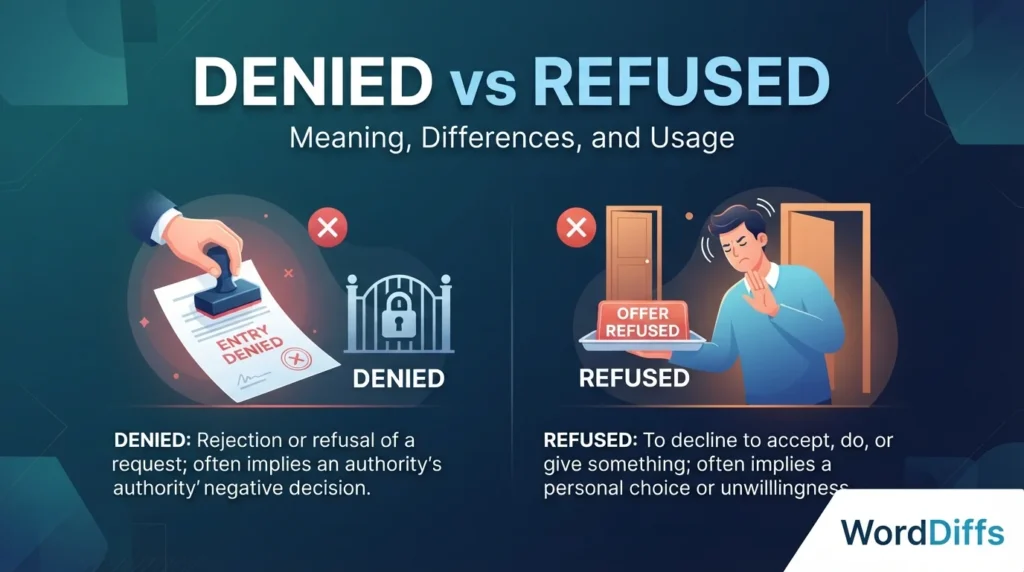
Many English learners confuse denied and refused because both words describe saying “no” in some way. However, they are used in different situations and carry ...
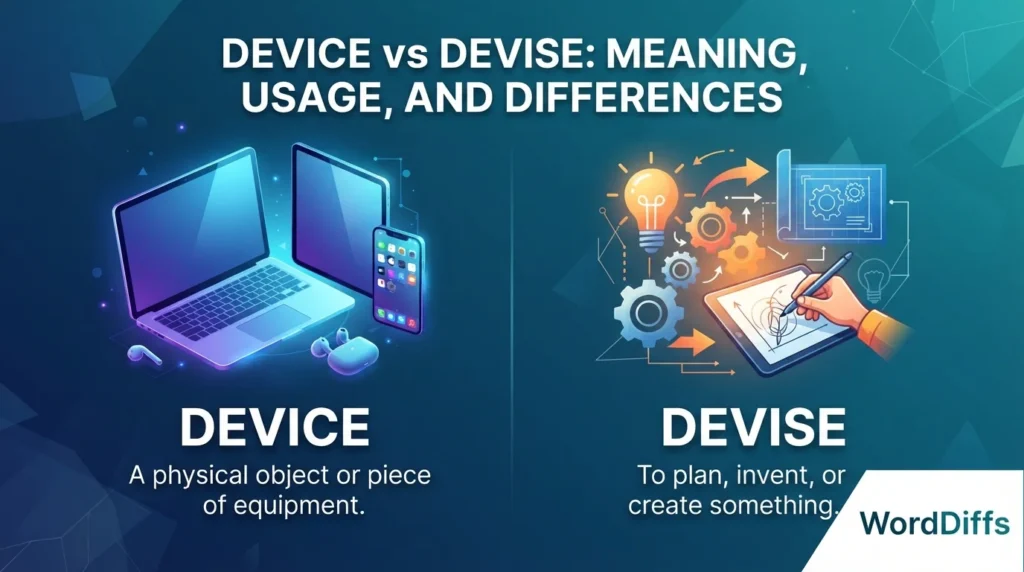
Many English learners confuse device and devise because they look and sound similar. However, they have completely different meanings and grammatical roles. Device is a ...
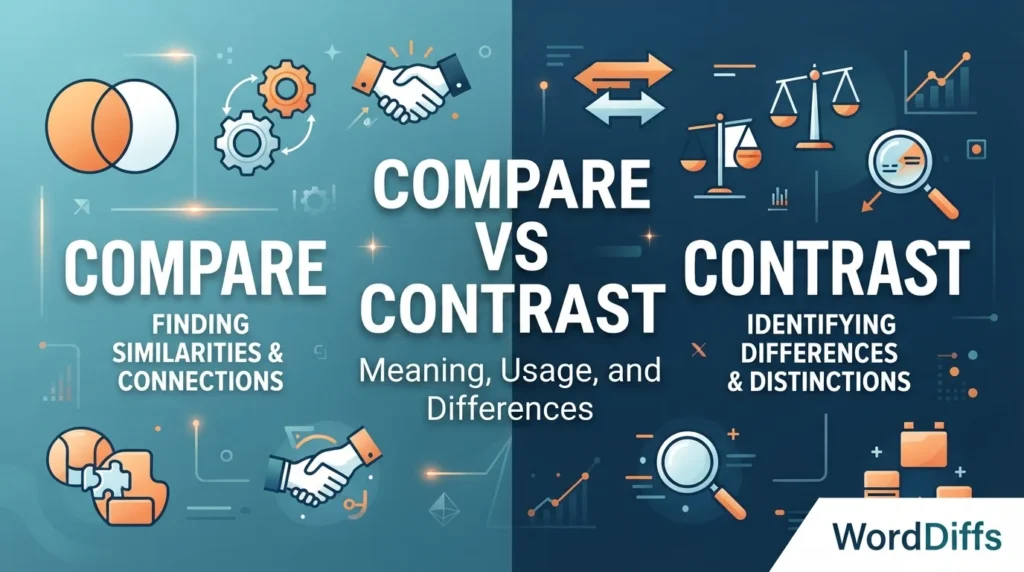
Many English learners confuse compare and contrast because both words are used when discussing two or more things. Although they are closely related, they are ...

Many English learners confuse cell and sell because they sound exactly the same in American English. These words are homophones, meaning they share the same ...

Many English learners confuse cloth and clothe because they look and sound similar. However, they have different meanings and grammatical roles. Cloth is a noun ...

People often use cool and cold when talking about temperature, but these words are not always interchangeable. While both describe something that is not warm, ...
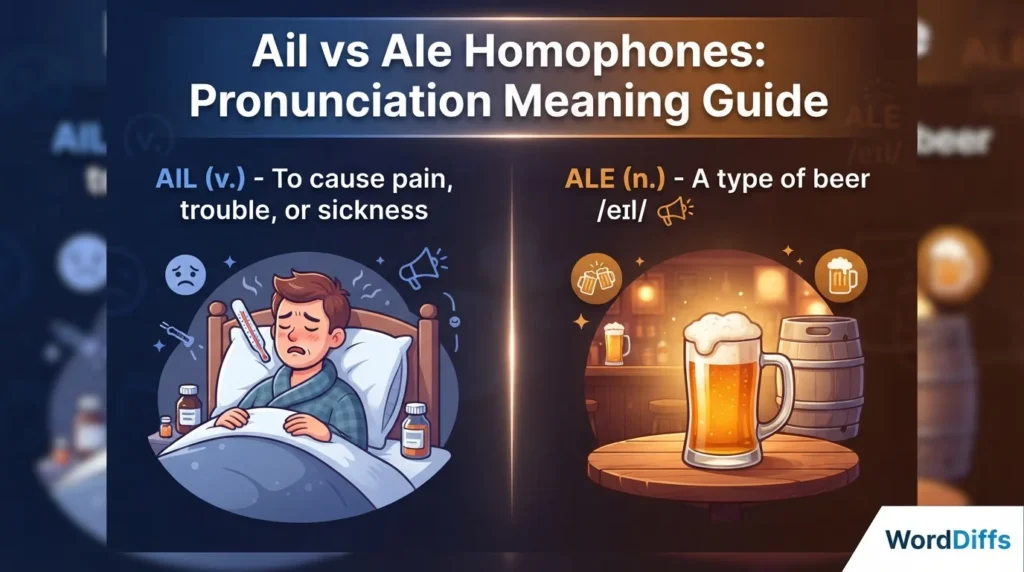
English homophones often confuse learners because two or more words can sound exactly alike while having completely different meanings and spellings. Ail and Ale are ...
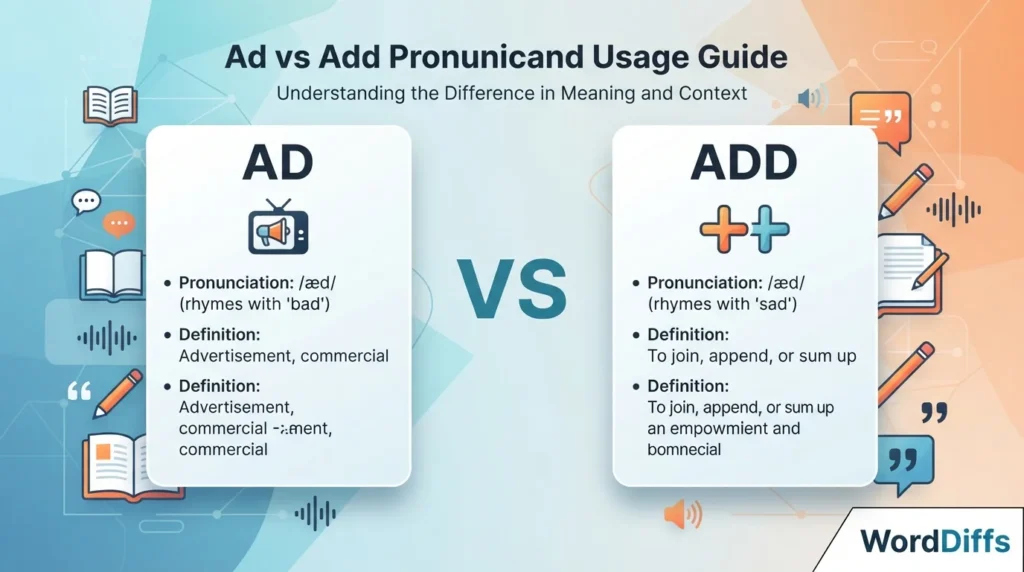
English homophones are among the most confusing parts of the language because two or more words can sound the same while having completely different meanings ...
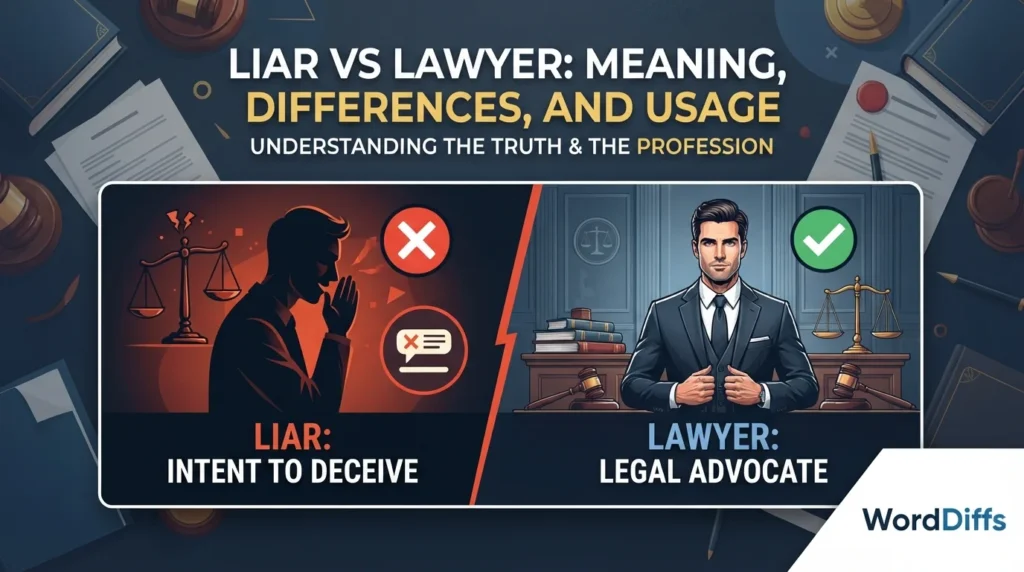
Many English learners confuse liar and lawyer because the words look somewhat similar and begin with the same letters. However, they have completely different meanings ...